It's a bit of a profit party in Australia right now, but the good times haven't extended across the Tasman Sea, as Air New Zealand continues to struggle.
To merge or not to merge? That's the question for two of Brazil’s three major airlines. In January, Azul and Gol signed a non-binding deal with "intent to combine their businesses.” Then came a snag. Azul filed for Chapter 11, just one week before Gol exited bankruptcy. Today, the prospect of a Brazilian mega-merger is increasingly uncertain, as we discuss in this week's feature story.
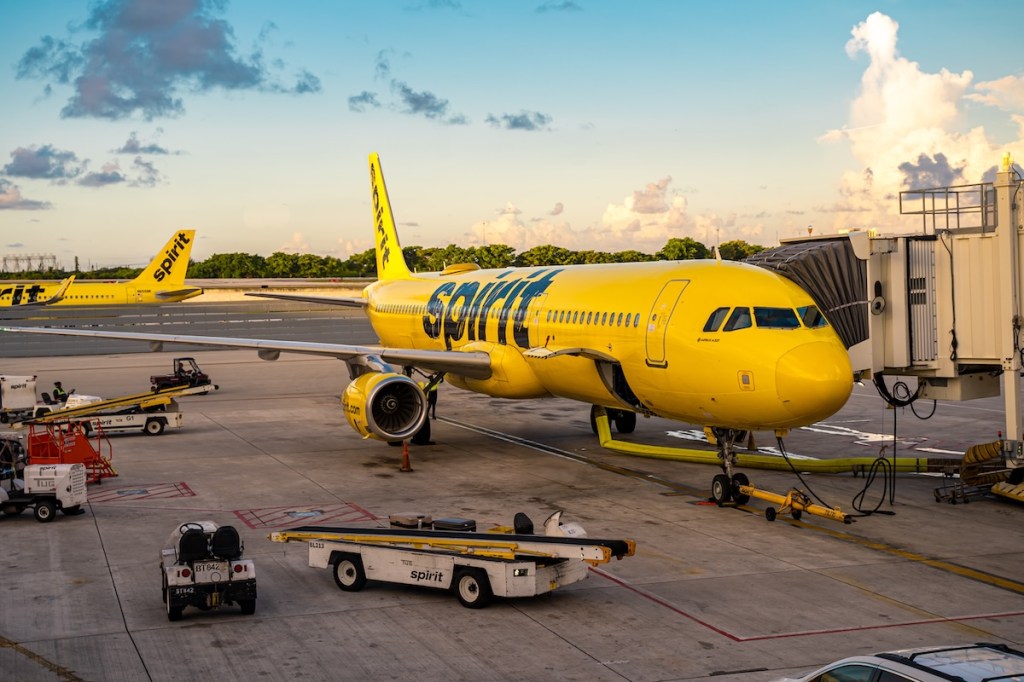
Spirit’s survival looks increasingly doubtful as its ultra-low-cost model falters, while Air Canada faces a costly labor reckoning that could reshape its near-term fortunes.
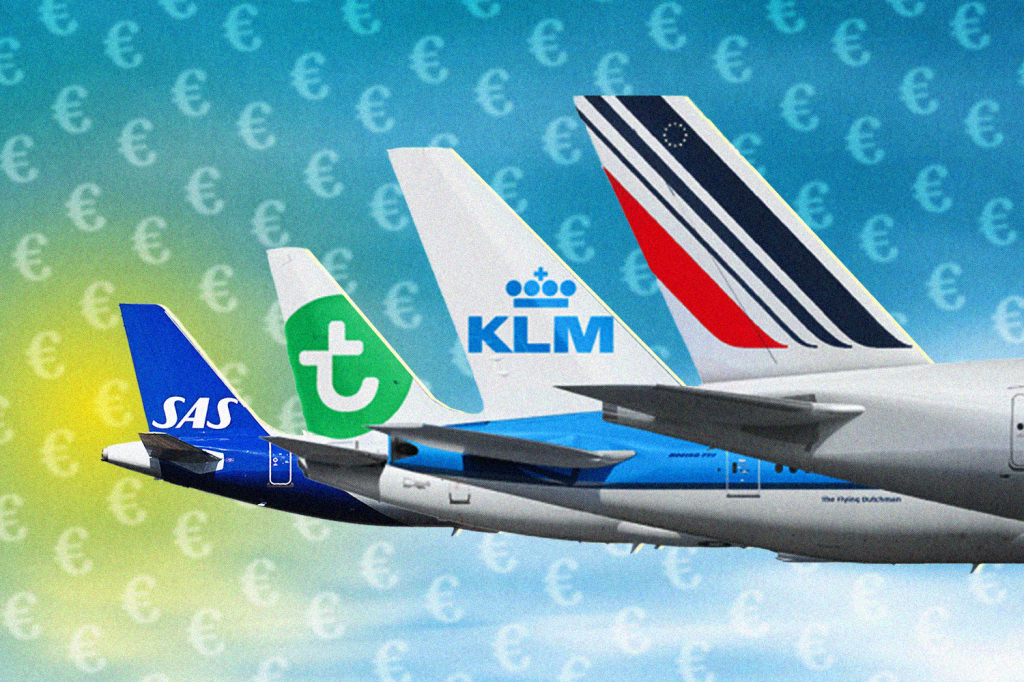
Charles de Gaulle once famously asked: “How can you govern a country in which there are 246 kinds of cheese?” Fortunately for Ben Smith, governing Air France-KLM isn’t quite that complicated. But he does now preside over four different airlines, some faring well, others faring poorly, as we discover in this week's feature story.
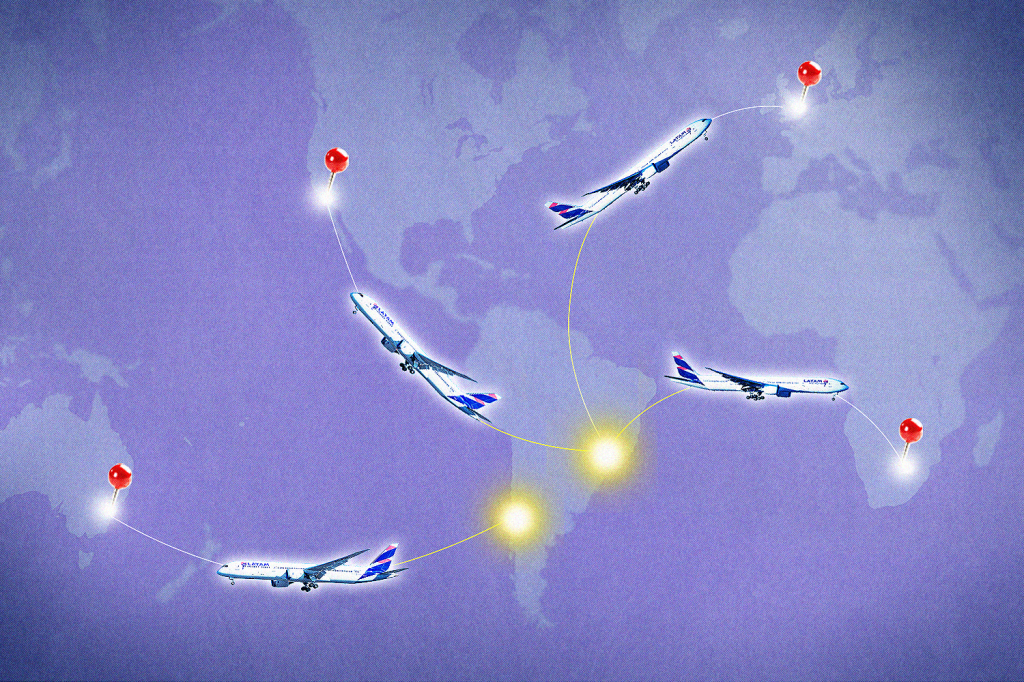
Will someone in South America please check the calendar? Is it still 2019? Latam, South America’s largest airline group, is paying a remarkably low 4.8 U.S. cents, excluding fuel, to fly one seat one kilometer. That’s almost identical to the 4.6 cents it paid six years earlier. In this week's feature story, we explore why Latam’s cost structure is basically the same as it was before the Covid crisis.
There’s no shame in winning a bronze medal. Unless it’s a game of three players. The U.S. has just three global airlines. And for seven straight years now, the medal stand has looked the same. In the contest for best operating margin, Delta always wins the gold. United always wins the silver. And American always gets stuck with the bronze. In this week's feature story, we examine why.
In this week's show, Gordon Smith and Jay Shabat criss-cross the Atlantic to review the latest earnings from United Airlines and low-cost giant Ryanair.